
Why AI is the New Marketing Engine
Artificial Intelligence (AI) has emerged as a transformative force in the realm of marketing, fundamentally altering the way businesses engage with their customers and strategize their campaigns. The utilization of AI in marketing is no longer a futuristic concept; it has become a crucial component for companies striving to maintain a competitive edge. With the increasing complexity of consumer behavior and the vast amount of data generated every day, traditional marketing strategies are inadequately equipped to respond to these dynamic changes. This highlights the urgency for businesses to adopt AI-driven marketing strategies to effectively meet the evolving demands of their audience.
The significance of AI in marketing lies in its ability to analyze vast datasets and derive actionable insights at an unprecedented speed. This leads to a more refined understanding of customer preferences, which is essential for creating targeted campaigns. AI technologies, such as machine learning and natural language processing, enable marketers to not only predict customer behavior but also personalize communications to enhance consumer engagement. Thus, companies employing AI-driven analytics can optimize their promotional efforts and achieve higher conversion rates.
Furthermore, AI facilitates improved efficiency in campaign planning by automating repetitive tasks such as data analysis and performance monitoring. By leveraging AI, marketers can allocate their resources more effectively and focus on strategic decision-making rather than being bogged down by time-consuming tasks. As we move further into 2026, it becomes increasingly imperative for businesses to integrate AI into their marketing frameworks to not only streamline their operations but also to innovate and personalize experiences that resonate with customers. This introduction sets the stage for a comprehensive exploration of how AI is revolutionizing various aspects of marketing, from campaign planning to analytics and personalization.

AI Tools That Boost Ad Performance
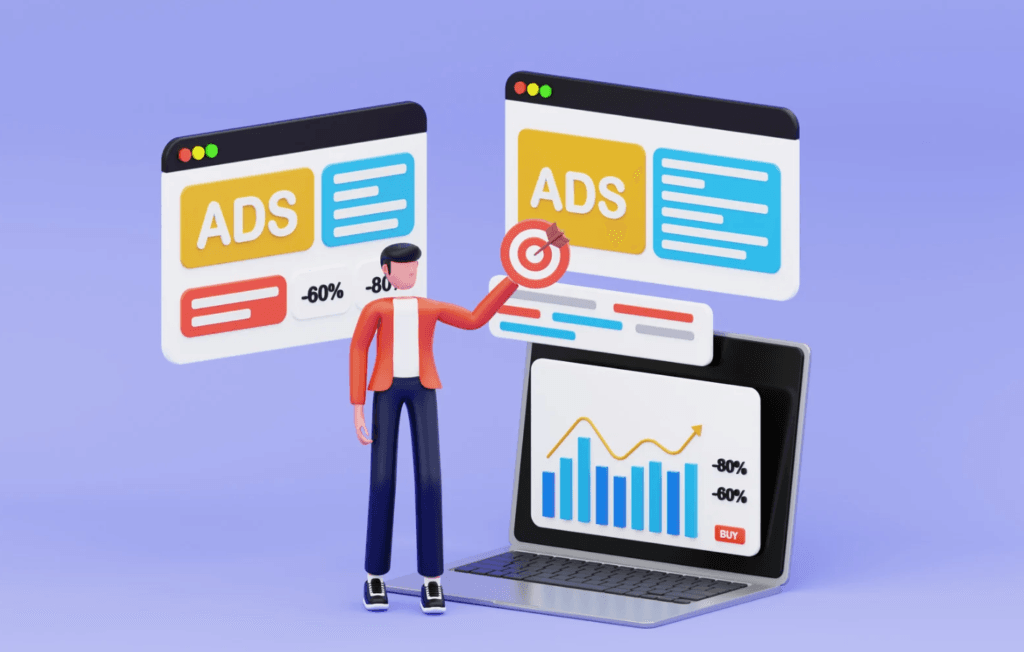
The evolution of artificial intelligence (AI) has significantly transformed marketing strategies, particularly in the realm of advertising. Several AI-driven tools are now available, enabling marketers to enhance the performance of their ad campaigns by streamlining processes and providing actionable insights.
One of the most notable tools is programmatic advertising software, which employs AI algorithms to automatically purchase ad space and target the right audience. This technology utilizes real-time data analysis to determine the most effective placements based on user behavior and preferences, thereby elevating targeting precision. Marketers can efficiently allocate budgets to high-performing ads, leading to an improved return on investment (ROI).
Another prominent tool is creative generation software, which leverages AI to develop engaging ad content. Through natural language processing and machine learning, these platforms analyze successful past campaigns and generate new creative assets that resonate with specific demographics. This capability not only saves time but also ensures that ads align with current trends and user expectations.
AI chatbots have also become essential in enhancing ad performance by providing personalized user experiences. By engaging customers in real-time, they cater to individual needs and preferences, guiding them through the sales funnel. Such personalization fosters higher engagement rates, resulting in increased conversions and customer loyalty.
Moreover, predictive analytics tools are invaluable in evaluating campaign effectiveness. By analyzing historical data and consumer behavior patterns, these AI tools forecast future trends and outcomes, allowing marketers to make data-driven adjustments to their strategies. This proactive approach is crucial for staying competitive in an ever-evolving marketplace.
Incorporating these AI tools into advertising strategies not only improves operational efficiency but also empowers marketers to make informed decisions that maximize outcomes. The integration of AI in ad performance optimization is proving to be an indispensable asset for marketers striving to achieve substantial results in their campaigns.
Integrating AI into Marketing Campaigns
The integration of artificial intelligence (AI) into marketing campaigns is a multi-step process that requires careful planning and execution. To begin, marketers should initiate a comprehensive analysis of their current marketing strategies and identify areas where AI could enhance efficiency or effectiveness. This initial phase involves setting clear objectives for what the integration aims to achieve, whether that’s improving customer engagement, personalizing experiences, or optimizing data analysis.
The next step involves the selection of appropriate AI tools tailored to the specific needs of the campaign. Marketers must evaluate various AI technologies, ranging from predictive analytics to machine learning platforms. It is crucial to select tools that align with the organization’s goals and can seamlessly integrate with existing marketing technologies. During this phase, consideration of user-friendliness, scalability, and support services from the vendors is also significant.
Implementation is the subsequent phase, which requires both technical execution and change management considerations. Marketers should work closely with IT and data teams to ensure that AI solutions are correctly integrated into their campaign infrastructure. This may include configuring algorithms, setting up data feeds, and establishing protocols for data privacy and security compliance.
Once implementation is complete, testing becomes essential. Marketers should conduct trial campaigns using AI tools to assess performance against established metrics. This testing phase allows for adjustments and optimization before a full-scale rollout. Finally, ongoing analysis is vital to maximize the advantages of AI-driven strategies. By continuously monitoring campaign performance and customer interactions, marketers can refine their approaches, ensuring that the integration of AI not only meets

Case Studies of Brands Achieving Measurable ROI
In recent years, numerous brands have successfully adopted artificial intelligence (AI) into their marketing strategies, resulting in impressive returns on investment (ROI). One notable example is Coca-Cola, which implemented AI-driven tools to optimize its advertising campaigns. They used machine learning algorithms to analyze consumer data and predict purchasing behaviors, leading to a more targeted marketing approach. As a result, Coca-Cola reported a significant increase in customer engagement and a 20% lift in sales for specific campaigns.
Another notable brand is Netflix, which has leveraged AI in various aspects of its marketing efforts. The company uses AI algorithms to personalize user recommendations, ensuring that subscribers receive content tailored to their viewing habits. This approach has not only enhanced user satisfaction but has also driven subscriber growth, with Netflix reporting a remarkable increase in subscriptions following the implementation of these AI-driven marketing strategies. The blend of predictive analytics and targeted content has proven to be a game changer for the brand.
Moreover, Amazon’s use of AI for marketing personalization provides another compelling case study. By analyzing vast amounts of customer data, Amazon effectively presents personalized recommendations and targeted advertisements, resulting in increased conversions. The consistency of this approach has led to impressive ROI, with the e-commerce giant reporting that approximately 35% of its total sales can be attributed to its recommendation engine. This level of personalization has set a standard for other brands to emulate.
These case studies illustrate common challenges faced by businesses, such as data silos and integration issues, and provide insights into the AI solutions implemented to overcome them. The key takeaway is the importance of leveraging AI-driven insights to inform marketing strategies, which can lead to measurable growth and enhance overall ROI for brands willing to innovate in the ever-evolving marketplace.

Actionable Tips for Businesses to Start Using AI Now
In recent years, numerous brands have successfully adopted artificial intelligence (AI) into their marketing strategies, resulting in impressive returns on investment (ROI). One notable example is Coca-Cola, which implemented AI-driven tools to optimize its advertising campaigns. They used machine learning algorithms to analyze consumer data and predict purchasing behaviors, leading to a more targeted marketing approach. As a result, Coca-Cola reported a significant increase in customer engagement and a 20% lift in sales for specific campaigns.
Another notable brand is Netflix, which has leveraged AI in various aspects of its marketing efforts. The company uses AI algorithms to personalize user recommendations, ensuring that subscribers receive content tailored to their viewing habits. This approach has not only enhanced user satisfaction but has also driven subscriber growth, with Netflix reporting a remarkable increase in subscriptions following the implementation of these AI-driven marketing strategies. The blend of predictive analytics and targeted content has proven to be a game changer for the brand.
Moreover, Amazon’s use of AI for marketing personalization provides another compelling case study. By analyzing vast amounts of customer data, Amazon effectively presents personalized recommendations and targeted advertisements, resulting in increased conversions. The consistency of this approach has led to impressive ROI, with the e-commerce giant reporting that approximately 35% of its total sales can be attributed to its recommendation engine. This level of personalization has set a standard for other brands to emulate.
These case studies illustrate common challenges faced by businesses, such as data silos and integration issues, and provide insights into the AI solutions implemented to overcome them. The key takeaway is the importance of leveraging AI-driven insights to inform marketing strategies, which can lead to measurable growth and enhance overall ROI for brands willing to innovate in the ever-evolving marketplace.
Actionable Tips for Businesses to Start Using AI Now
As businesses increasingly recognize the potential of artificial intelligence (AI) in marketing, they must take practical steps to effectively integrate AI-driven strategies. To commence this integration, the first action businesses should undertake is identifying specific use cases within their marketing framework. Consider evaluating various processes such as customer segmentation, content personalization, or predictive analytics where AI can significantly enhance performance. By pinpointing use cases, organizations can focus their AI efforts on areas with the highest potential for impact.
Once relevant use cases are identified, businesses should begin experimenting with pilot projects. These small-scale initiatives enable companies to test AI technology without committing substantial resources. By starting small, organizations can gather valuable insights into the effectiveness of AI applications and determine how they can refine and scale their operations. They should look for accessible AI tools and platforms that suit their needs and facilitate experimentation.
Another critical aspect to consider is upskilling team members in AI competency. Investing in training and professional development ensures that employees understand how to implement and leverage AI technologies effectively. Businesses can provide their teams with resources such as workshops, online courses, or partnerships with educational institutions to enhance their understanding of AI’s capabilities and applications in marketing.
Lastly, focusing on continuous learning and adaptation is essential for any firm looking to harness AI’s full potential. The landscape of AI is rapidly evolving, and staying abreast of new developments will allow businesses to remain competitive. Organizations should encourage a culture of innovation where team members explore and test new AI concepts and tools regularly. This will not only optimize existing marketing strategies but also foster a forward-thinking mindset essential for future growth.
Table of Contents
Share On Your Socials: